
Food Industry
Food industry is heavily dependent on fossil fuels. Thermal processes involved in their manufacturing consumed large proportions of the total processing energy. Electricity is typically used for pumps, refrigeration, control and separation while thermal energy is employed for cleaning, evaporation and pasteurization. Meat and dairy processing sectors, energy and water use have increased due to a rise in hygienic standards and cleaning requirements. Dairy processing is considered one of the most energy-intensive sectors within the food industry. Many dairy products are manufactured by concentrating raw milk and separating solids to varying degrees.
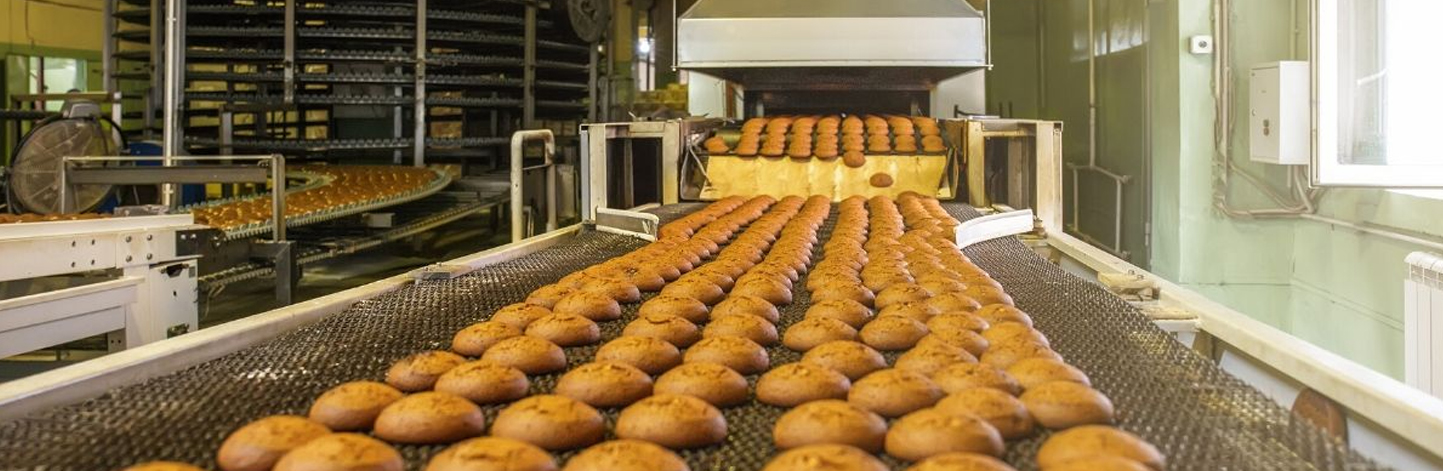
Baking industry requires a high amount of thermal energy. Continuous gas-fired ovens, large amounts of heat are dissipated through exhaust gases. Poultry industry consumes more energy than other meats due to hair and feather removal, and singeing operations. An increase in the use of automated equipment, temperature control and hot cleaning water has raised energy consumption in slaughterhouses. Coffee was the most energy intensive product in this category. Coffee beans, obtained from primary processing, are sent for secondary processing, which includes dehulling, roasting and grinding.